Tax allowances · 26 October 2026
Advertisement · Sponsored content by N&V Accounting OÜ
This tax allowance could benefit British couples: what to check before claiming
Some married couples and civil partners may be able to reduce their Income Tax through a relief that is easy to overlook. HMRC’s Marriage Allowance can lower an eligible couple’s tax by up to £252 in a tax year, and qualifying claims can sometimes be backdated. Whether it helps depends on both partners’ income and tax position.
Read the article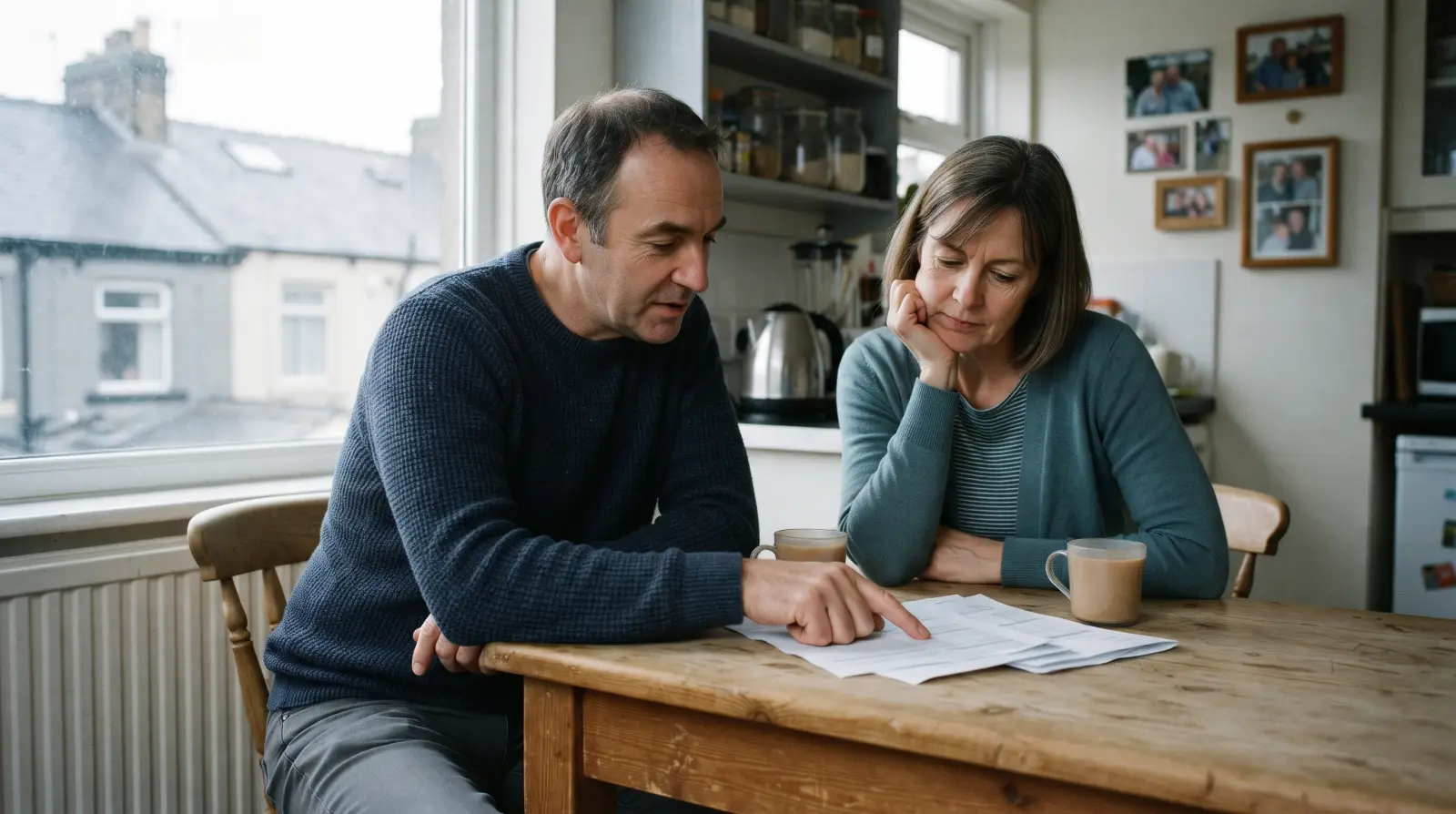
What the High Income Child Benefit Charge means after the threshold rise
The charge now starts when one partner’s adjusted net income passes £60,000 and takes the whole benefit back at £80,000. Here is what it costs a two-child family, how to pay it and why opting out beats not claiming.
When interest on savings starts to be taxed
Most savers can earn £1,000 or £500 of interest a year tax-free, and some much more through the starting rate for savings. Here is how the limits work in 2026/27 and what changes from April 2027.
The council tax discounts many households miss
A 25% discount applies when only one counted adult lives in a home, and students, some carers and people with severe impairments are not counted. Disability reductions, Council Tax Reduction and band challenges can lower bills further.
Also this week
How Gift Aid can lower a higher-rate taxpayer’s own bill
The Tuesday Tide
One page each Tuesday: what has changed in tax allowances, rates and household deadlines, with the official source for each. Nothing to buy.
Free. We email a confirmation link first, and you can unsubscribe at any time.
Four figures for 2026/27
The slice of Personal Allowance an eligible spouse or civil partner can transfer under the Marriage Allowance, reducing the other’s tax by up to £252 a year.
What to check firstSavings interest a basic rate taxpayer can receive tax-free under the Personal Savings Allowance; £500 for higher rate taxpayers.
When interest is taxedThe overall ISA allowance per adult for the tax year. From 6 April 2027, savers under 65 can put no more than £12,000 of it into cash ISAs.
The ISA limitsAdjusted net income above which the High Income Child Benefit Charge starts. It is tested on the higher earner’s own income, not the household’s.
How the charge worksOfficial published figures for the 2026/27 tax year, from GOV.UK. They are reference points, not a statement of what any individual pays or can claim.
From the sections
How we write these
Why the Personal Allowance starts to vanish above £100,000
Above £100,000 of adjusted net income, the £12,570 tax-free allowance is withdrawn at £1 for every £2, creating an effective 60% rate. Here is how the band works, what reduces adjusted net income and what else the £100,000 line affects.
How marriage changes inheritance tax and capital gains between partners
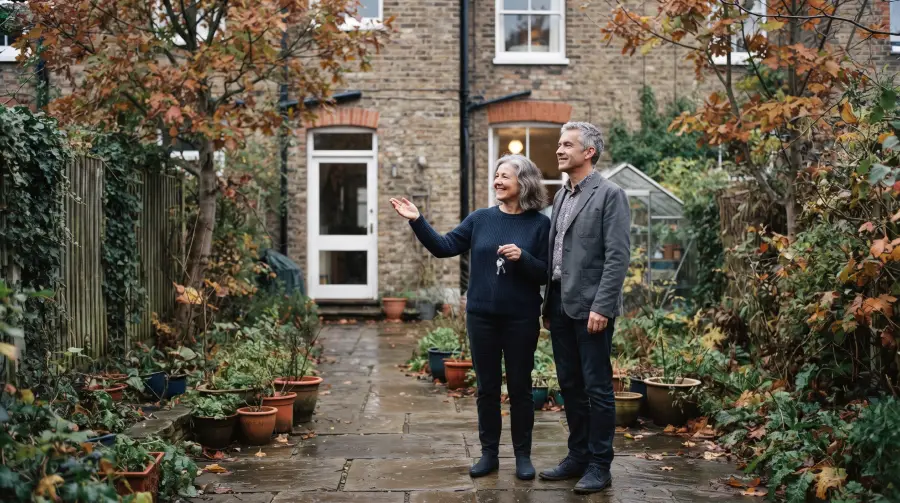
Spouses and civil partners can leave each other everything free of Inheritance Tax, share unused thresholds and move assets without Capital Gains Tax. Unmarried couples get none of this, and the gap can run to six figures.

How much you can put into ISAs this year, and the different kinds
The ISA allowance for 2026/27 is £20,000, split however you like across cash, stocks and shares, innovative finance and Lifetime ISAs. From 6 April 2027, savers under 65 face a £12,000 cap on cash ISAs.
Tax allowances
The Personal Allowance and the extra allowances that sit beside it, what a tax code is saying, and the reliefs HMRC only gives when someone asks.
- This tax allowance could benefit British couples: what to check before claiming
- Why the Personal Allowance starts to vanish above £100,000
- What the letters and numbers in your tax code are telling you
- Who can still claim tax relief for working from home
- The Blind Person’s Allowance many eligible people never claim
Couples & family
How marriage, civil partnership, children and giving change the tax a household pays, from Child Benefit to what partners can pass to each other.
Savings & interest
When interest and dividends become taxable, how ISAs fit in, and what HMRC expects savers to report, with the 2026/27 figures and the changes already announced.
Household bills
Council tax discounts and the small work-related reliefs that lower a household’s regular costs, and how to ask for them directly.